
216-658-5500Call Us Today
216-658-5500Call Us Today
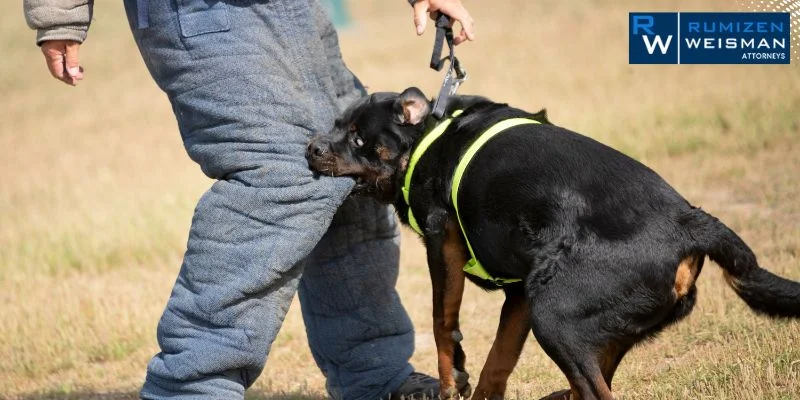
Ohio is full of large dog parks like Canine Meadow in Kirtland and Scioto Audubon Dog Park in Columbus. While the vast majority of pet owners are careful about leashing their canines and keeping them away from visitors if they have a history of biting, dog attacks continue to be a tragic reality that can leave victims contending with both physical and emotional scars.
216-658-5500 Call Us Today
The state recorded 985 dog bite and other dog-related injury insurance claims in 2024, the seventh-highest total in the country. Additionally, there are an estimated 2.79 million pet dogs in Ohio, making canines a popular choice for companionship.
State leaders recently adopted a new law named after Avery Russell, who was attacked by two dogs while visiting a home in Reynoldsburg, Ohio, in 2024. She was invited into a backyard as a guest when she was viciously attacked. At the time, the only crime the dog’s owner could be charged with was a fourth-degree misdemeanor that carried a maximum of 30 days in jail.
Avery’s Law, which took effect in March 2026, strengthened Ohio’s response to serious dog attacks by expanding enforcement options and increasing consequences for owners who fail to control dangerous animals. The law allows authorities to seize dogs following certain attacks, establishes stronger penalties when an owner negligently fails to prevent an unprovoked attack, and imposes additional restrictions on dogs classified as dangerous or vicious.
Avery’s Law deals with criminal consequences, not civil liabilities. This means that anyone who is criminally charged would not automatically face an injury claim that could compensate injured parties for the harm they suffered. Still, it does mark an improvement in the state’s justice system by acknowledging the serious harm someone can suffer from an unprovoked animal attack. The evidence gathered for the criminal case could potentially be used in a civil court action.
The law also establishes specific standards for dangerous and vicious dog acts. An unprovoked attack that causes serious physical injury, for example, can constitute a vicious dog act. Owners of dogs previously designated as dangerous or vicious face additional confinement, restraint, notification, and insurance requirements. Evidence that an owner violated these requirements could become relevant when investigating an injury claim.
Pursuing compensation from a dog owner without an attorney’s support can lead to unfavorable outcomes. If you have been injured, knowing what to do after a dog bite can help protect your health and potential claim. Section 955.28 of Ohio’s Revised Code provides the legal grounds for pursuing compensation from a negligent pet owner. When you hire a dog bite lawyer, you gain support from an advocate who understands the state’s dog bite laws and how they could shape the outcome of your dog bite case.
An Ohio dog bite attorney with Rumizen Weisman Attorneys can focus your case on holding the negligent pet owner accountable for the harm you suffered. Legal support can play a key role in establishing negligence and pushing back on attempts to contest liability. Rumizen Weisman Attorneys is an Ohio-based law firm that handles complex injury claims. We have handled more than 10,000 cases, including jury trials.
Not necessarily. Ohio law requires owners to keep dogs physically confined or restrained on their property through a leash, tether, adequate fence, supervision, or secure enclosure, or otherwise under a person’s reasonable control. However, stricter rules apply to dogs designated as dangerous or vicious. These dogs generally must be securely confined in a locked pen, locked fenced yard, or other qualifying enclosure while outside on the owner’s property.
Ohio does not impose a general statewide limit on how many dogs a person can own. However, municipalities and other political subdivisions can establish local ordinances governing the ownership and keeping of dogs, so limits may depend on where you live. Local municipalities may also pass laws governing how pets should be retrained. Violating a city or state law could result in penalties or even criminal charges under Avery’s Law.
Yes, under certain circumstances. Ohio law allows a person to kill a dog while it is chasing, threatening, harassing, injuring, or killing livestock, poultry, or certain other animals belonging to another person. If the dog is wounded while trying to attack livestock, the owner is not subject to liability for animal cruelty. Property owners should familiarize themselves with the law before taking action against another person’s dog.
If your neighbor does not leash their dog, you can report it to the local warden or local authorities. If the pet owner is violating the law, a dog warden or similarly authorized figure may seize and impound the dog. The pet owner could then face penalties. City and state leash laws are designed to prevent dog attacks that can injure or even kill victims.
A serious dog attack can leave you facing painful injuries, mounting medical expenses, and uncertainty about what to do next. Rumizen Weisman Attorneys brings more than 100 years of combined first-chair trial experience to personal injury claims throughout Ohio. The firm has handled more than 10,000 claims and recovered more than $100 million for injured clients.*
Attorney Scott Rumizen has devoted more than 30 years to representing people who have suffered serious personal injuries, providing clients with experienced and personal legal guidance. Contact Rumizen Weisman Attorneys today for a consultation about your dog attack injury claim.
*Past results do not guarantee or predict a similar outcome in any future case.
216-658-5500 Call Us Today


Fields Marked With An “*” Are Required