
216-658-5500Call Us Today
216-658-5500Call Us Today
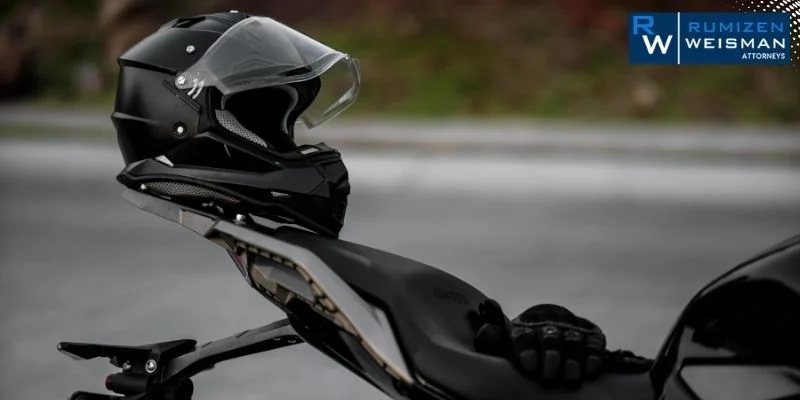
Ohio’s personal injury laws allow multiple parties to share liability. Complex cases could also involve claimants who are partly responsible for their own injuries. Do You Have to Wear a Helmet in Ohio, and Can It Be Used Against You? This question matters because if you were hurt by a negligent driver, you’ll need to understand how to manage your Ohio motorcycle helmet law claim.
Rumizen Weisman Attorneys can protect your rights and interests at every step.
216-658-5500 Call Us Today
The Ohio Bureau of Motor Vehicles reported 369,134 motorcycle registrations in 2025. Ohio Revised Code § 4511.53 enforces the use of motorcycle helmets for:
Motorcyclists operating with a temporary instruction permit must also wear a U.S. Department of Transportation-approved helmet. Ohio generally does not require other adult motorcyclists to wear helmets, although riders must use safety glasses or another approved protective eye device.
Whether someone wears a helmet can significantly affect the injuries they suffer. From 2021 through 2025, Ohio recorded 19,674 motorcycle crashes, including 1,060 fatal incidents. Those collisions resulted in approximately 17,500 injuries and 1,096 fatalities. After a serious collision in Walnut Hills, Linden Heights, Eastern Hills, or another Ohio neighborhood, injured riders may be transported to Miami Valley Hospital or another facility for urgent treatment.
Many factors can affect the outcome of an injury claim. Following a motorcycle collision, the at-fault driver’s insurance should be liable for damages. This doesn’t mean that their insurance adjusters won’t take steps to protect their financial interests, though. They may closely examine the evidence and circumstances that led to the collision.
Any steps they take to contest liability, downplay the harm you suffered, or blame you for contributing to the collision could ultimately diminish the value of your settlement. Without strong legal support, you may fail to secure the full compensation that you are owed. Whether you were wearing a helmet during the collision is just one of many factors that could be considered during negotiations or litigation.
Ohio Revised Code § 2315.33 has established a modified comparative fault system for situations where multiple parties contribute to an accident. It enables an injured motorcyclist to pursue compensation when their fault percentage is not more than the combined fault assigned to the other liable parties. This means that they cannot bear more than 50% of the fault for the collision.
However, the rider’s compensation can be lowered based on their fault percentage. For example, a motorcyclist awarded $100,000 in damages but found 20% responsible could recover $80,000. If the rider’s share of fault is greater than 50%, Ohio law prevents the rider from recovering compensatory damages. Since these figures are often established during negotiations and based on the evidence, legal support throughout the process is crucial for asserting your rights.
Motorcycle riders often face false accusations and other efforts to minimize what they receive through a settlement or civil court action. When you hire a motorcycle accident lawyer, you gain steady support from an advocate who understands the state’s motorcycle accident laws and how to carefully manage your motorcycle accident claim. They can pursue the full compensation that you are owed.
Rumizen Weisman Attorneys brings decades of experience to these matters. An Ohio motorcycle accident attorney from our team can explain the injury claims process and the steps that we can take to safeguard your rights and interests at every step. After thousands of arbitrations and 10,000 claims, our extensive experience and proven record of success can help clients financially recover from motorcycle collisions.
No. It is not illegal for most adults to ride a motorcycle without a helmet in Ohio. However, state law requires riders under 18, operators with a current novice designation, and motorcyclists operating with a temporary instruction permit to wear an approved helmet. Certain passengers must also wear helmets. Ohio additionally requires motorcycle riders to use approved eye protection, subject to certain exceptions.
Common injuries sustained by riders after a motorcycle collision include:
Riders may also suffer facial injuries, nerve damage, and injuries to the legs, arms, shoulders, and joints. Severe motorcycle collisions can result in permanent disabilities or other complications, requiring long-term medical treatment and rehabilitation.
Yes. Multiple parties can share liability for a motorcycle collision in Ohio. Complex cases involving speeding drivers, unsafe lane changes, and traffic violations may require examining the conduct of everyone involved.
Liability could potentially extend to another driver, an employer whose employee caused a collision while working, or another responsible party. Ohio’s comparative fault rules also allow responsibility to be divided among parties based on their respective shares of fault.
Possibly. Injury claims are highly complex, and many factors can affect the value of a final settlement during negotiations. Whether you were wearing a helmet at the time of the collision or not, your top priority should be to hire an attorney who can represent your interests at every stage of the process. Legal counsel can evaluate the:
Ohio’s helmet laws can affect your eligibility for full compensation after a personal injury. Insurance companies and the at-fault party’s other representatives may try to use your use or non-use of a helmet against you, which is why your first step should be to hire Rumizen Weisman Attorneys.
Our dedicated team of injury lawyers has decades of experience in motorcycle accident cases. We have managed over 10,000 claims and 150 jury trials. We understand the challenges that our clients face after being struck by a negligent driver, and we can pursue the full compensation that you are owed. Gain the trusted support your case deserves by contacting our office today.
216-658-5500 Call Us Today

Fields Marked With An “*” Are Required